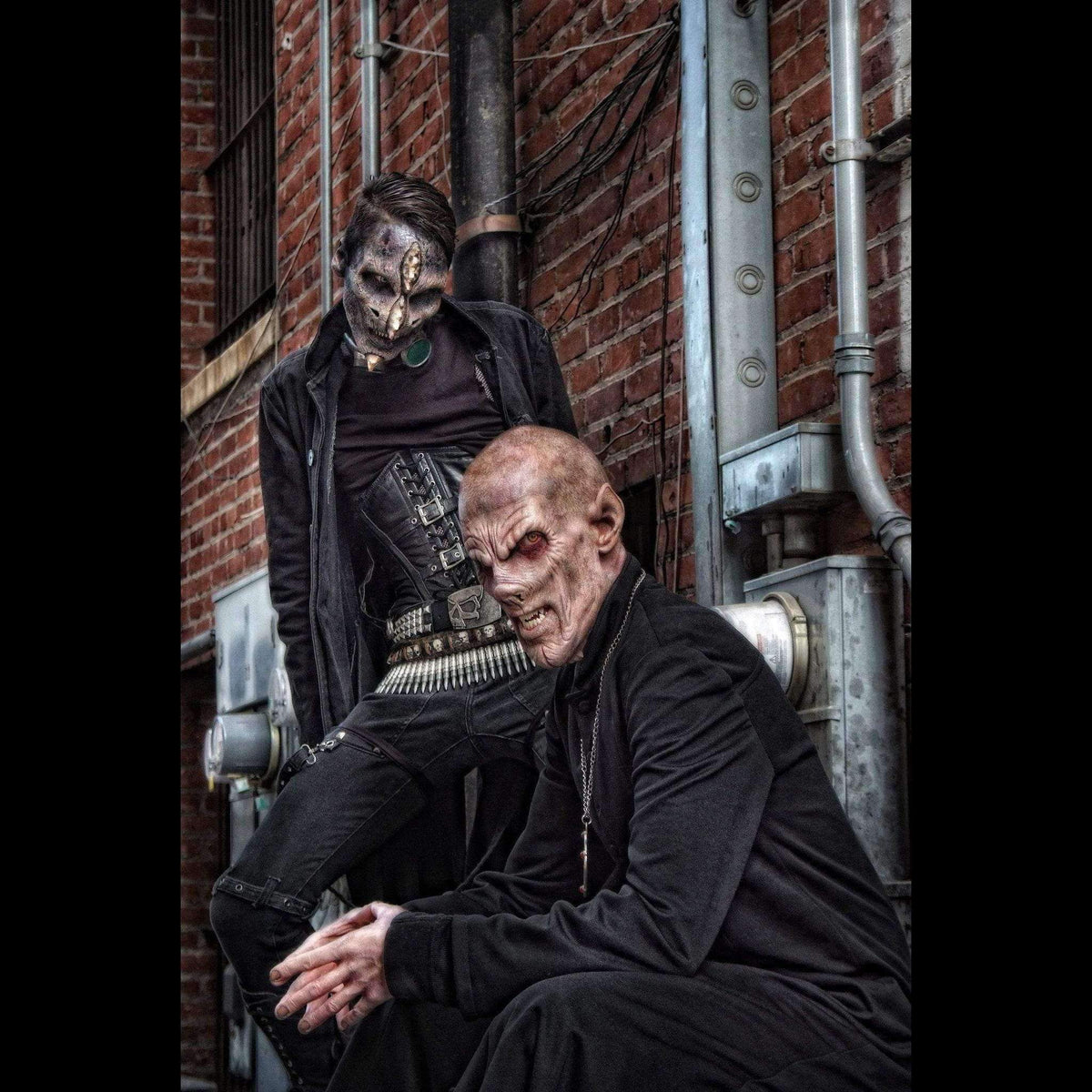
Best Prosthetic Makeup for Cosplay Picks
Share
The difference between a costume and a transformation usually shows up around the eyes, the edges, and the first facial expression. If your appliance lifts, your paint cracks, or your character goes stiff the second you smile, the illusion is gone. That is why choosing the best prosthetic makeup for cosplay is less about grabbing the wildest monster piece and more about building a look that fits, moves, and survives a full convention day.
For cosplay, prosthetic makeup has to do more than look dramatic in a product photo. It needs to read well under harsh venue lighting, stay comfortable through hours of wear, and still look convincing from three feet away when someone asks for a picture. A great prosthetic setup lets you perform the character, not fight your materials.
What makes the best prosthetic makeup for cosplay?
The short answer is realism, flexibility, and wearability. The longer answer is that the best prosthetic makeup for cosplay depends on the character you are building and how long you need that look to hold.
Foam latex is a favorite for expressive character work because it is lightweight and moves naturally with the face. That matters if you are wearing brow pieces, cheeks, chins, or full creature appliances and still want your grin, snarl, or dead-eyed stare to feel alive. A rigid piece might look decent when you are standing still, but cosplay is movement. You talk, laugh, pose, sweat, and spend half the day adjusting a wig. Your prosthetic has to keep up.
Comfort matters just as much as realism. A piece that looks incredible for twenty minutes but starts pinching, peeling, or trapping heat can ruin the whole experience. The strongest cosplay prosthetics balance detail with practical wear. Thin edges help them disappear into the skin. A good sculpt gives shape without becoming bulky. And a quality material should hold paint well instead of fighting every layer you apply.
Start with the character, not the product
The fastest way to waste money is to shop by shock value alone. Start with the role you want to inhabit. Are you building a demon with exaggerated bone structure, a rotting zombie, an alien with distorted anatomy, or a beast with a heavier forehead and jawline? Each one asks for something different from your makeup kit.
If your character relies on facial performance, prioritize flexible facial appliances over oversized masks. Prosthetics let your expressions come through, which is a huge advantage for horror and creature cosplay. If the design is more graphic or stylized, you may not need a full-face transformation at all. Sometimes a set of horns, pointed ears, a gnarly nose, or a torn cheek appliance does more for the illusion than burying your whole face under latex.
That is also where restraint helps. More pieces do not always mean a better result. A clean, well-painted appliance with believable edges usually beats an overloaded design with visible seams and muddy color.
Foam latex vs. other prosthetic options
Not every prosthetic material performs the same way, and cosplay puts materials through real-world stress. Foam latex stands out because it is soft, lightweight, and built for movement. For creature and horror looks, it gives that film-style dimension many cosplayers want without the heavy feel of a full mask.
Gelatin can be useful for some effects, especially temporary wounds or gore, but it is more sensitive to heat and handling. That can be a problem on a crowded convention floor. Silicone has beautiful realism and translucency, but it is often heavier, more expensive, and sometimes less forgiving for beginners. For many cosplay applications, foam latex hits the sweet spot between pro-level appearance and practical wear.
The trade-off is that material alone does not guarantee a great result. Application, adhesive choice, paint compatibility, and skin prep all matter. Even an excellent appliance will look amateur if it is attached poorly or painted flat.
The makeup kit behind the prosthetic
A prosthetic is only one part of the transformation. The supporting makeup is what sells the final character. Once the appliance is on, you need color that matches the surrounding skin or pushes the design into creature territory without looking chalky or one-dimensional.
For human-adjacent characters, blending is everything. Foundation tones, contour, stippling, and subtle bruising or texture can help an appliance disappear into the face. For monsters, clowns, demons, and undead builds, you can go bigger with saturation and contrast, but you still need depth. One flat green, gray, or red rarely looks cinematic. Highlights, shadow placement, veining, mottling, and layered texture create the illusion of real skin, even when that skin belongs to something from another world.
Setting products matter too. A cosplay look has to last through body heat, long wear, and repeated movement. If your paint never fully settles or your powdering is off, the finish can turn tacky fast. The best results come from treating the prosthetic like part of a full FX system, not a standalone add-on.
Adhesives, edges, and durability
This is where many cosplay builds either become convention-ready or fall apart before lunch. Adhesive choice should match both the prosthetic material and your wear conditions. You want a bond strong enough for movement and perspiration, but still safe and manageable for removal.
Edge work is the real test. Thick edges catch light and announce themselves in every photo. Thin, well-secured edges let the character take over. That means taking time during application, pressing carefully, and blending with makeup instead of hoping paint alone will hide sloppy attachment.
Durability also depends on placement. Nose pieces, upper lips, brows, and chin appliances deal with constant motion. Those areas need especially good adhesion and realistic expectations. If you know you will be talking nonstop, eating in costume, or wearing the look for ten hours, choose pieces designed for flexibility rather than the heaviest possible sculpt.
Best prosthetic makeup for cosplay by character type
For zombies and decay-driven looks, torn flesh appliances, exposed bone effects, and sunken facial structure work best when paired with layered skin tones rather than bright gore alone. A little translucency, bruise color, and dryness often reads more disturbing than buckets of fake blood.
For demons and fantasy villains, brows, cheekbones, horns, and forehead pieces create a stronger silhouette. This is where prosthetics can completely alter your face shape and make the character feel less like makeup and more like anatomy.
For clowns and twisted carnival builds, prosthetics around the mouth, nose, and brow can push expression into something genuinely unsettling. The contrast between a human smile and exaggerated sculpted features is where the magic happens.
For aliens and creatures, look for appliances that reshape familiar features without burying them. The best alien cosplay still lets your eyes and expressions carry emotion. Too much bulk can flatten performance.
How beginners should shop
If you are new to prosthetic cosplay, start with one hero piece and learn to finish it well. A single appliance applied cleanly and painted with care will teach you more than a full-face build done in a panic the night before a con.
Look for pieces with clear character impact, wearable weight, and natural expression. Pre-made professional appliances can save a huge amount of time compared with trying to sculpt your own from scratch. That is part of what makes specialty FX brands so useful for cosplayers who want screen-worthy results without building an entire fabrication studio at home.
If you are stepping into horror, fantasy, or creature work and want that film-quality edge, brands like The Scream Team make the jump from costume to character much more achievable. The key is treating the prosthetic as the centerpiece of a full transformation, then building around it with matching teeth, wigs, paint, and finishing details.
The finishing details that make it believable
The prosthetic may get the attention first, but the surrounding details make the look complete. Hairline blending, neck color, ears, teeth, contact lenses if worn safely, and costume texture all influence whether the audience believes what they are seeing.
This is why the strongest cosplay transformations feel intentional from every angle. If your face says demon but your exposed neck is untouched and your costume looks too clean, the illusion weakens. On the other hand, when your makeup, appliance, paint, and accessories all support the same story, the character lands hard.
Professional-looking cosplay is rarely about the single most expensive piece. It is about cohesion. Strong sculpt, smart material choice, careful application, layered paint, and enough restraint to let the design breathe.
When you are choosing the right prosthetic makeup, think like a performer as much as a shopper. Pick pieces that help you move, react, and own the room. The best cosplay prosthetic is the one that disappears into your performance and leaves only the character behind.