Foam Latex Prosthetic Appliances Explained
Share
A flat mask can suggest a character. Foam latex prosthetic appliances can sell one. The difference shows up the moment you smile, snarl, squint, or scream - when the piece moves with your face instead of sitting on top of it like a shell. If you want a transformation that feels closer to creature work in film, stage, haunts, or convention cosplay, this is the material that turns a costume into a performance.
What makes foam latex prosthetic appliances different
Foam latex has held its place in special effects for a reason. It is lightweight, flexible, and built to conform to the face in a way that supports expression. That matters more than beginners often realize. A prosthetic that looks good in one still photo but fights every grin, growl, and line delivery is going to break the illusion fast.
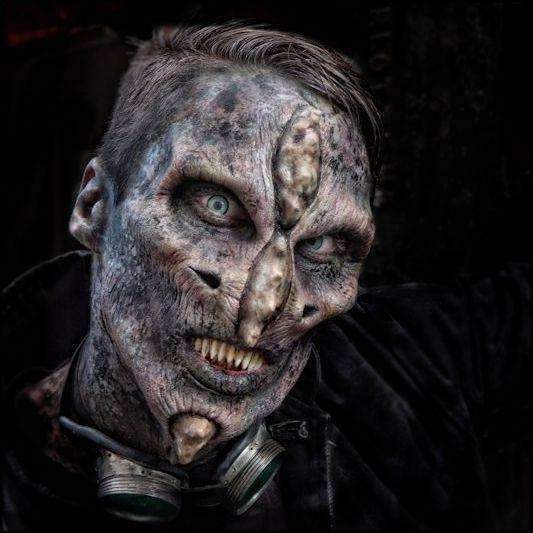
The appeal of foam latex prosthetic appliances is not just realism in a static sense. It is animated realism. Brows can lift. Cheeks can shift. A demon forehead, zombie cheek, beast muzzle, or alien brow can sit more naturally because the material has a soft, skin-like give. For performers, that means better character embodiment. For makeup artists, that means less time trying to fake movement with paint alone.
This is also why foam latex remains a favorite for character-driven looks rather than novelty wear. If your goal is to become something else for a full scene, a haunt shift, a convention day, or a Halloween night that lasts past the first photo, the movement factor matters.
Why performers and creators keep coming back to foam latex
There is a reason foam latex shows up again and again in horror, fantasy, creature design, and theatrical makeup. It gives you a strong visual change without pushing you into the stiffness that some heavier materials can create. That balance is the sweet spot.
For haunted attraction actors, this means you can stay expressive while still reading as monstrous from across a room. For filmmakers, it means a character can hold up in close shots without looking frozen. For cosplayers, it means your transformation has texture, depth, and screen-worthy attitude instead of a party-store finish. For serious Halloween fans, it means people stop asking where you got your costume and start asking what you are.
There are trade-offs, of course. Foam latex is not magic. It usually needs proper adhesive, thoughtful blending around the edges, and paint that works with the material. It also rewards prep. If you rush the application, skip sealing where needed, or ignore how the piece sits around active parts of the face, even a great sculpt can underperform.
That is not a flaw in the material. It is the reality of effects makeup. The more convincing the transformation, the more your process matters.
Choosing the right foam latex prosthetic appliances for your character
The best appliance is not always the biggest one. A full creature face can be spectacular, but smaller builds often deliver stronger results if they fit your event, skill level, and time.
A brow appliance can completely change your silhouette. Add ears, teeth, and paint, and suddenly you have a creature with presence. A nose and cheek set can push a clown, witch, ghoul, or beast character into much darker territory without covering your whole face. Horn appliances can create a strong fantasy or demonic read while leaving plenty of room for dramatic eye makeup and expression.
Think about the kind of performance your look needs to survive. If you are acting in a haunt, sweating under lights, and projecting through constant movement, comfort and stability matter as much as appearance. If you are headed to a convention, you may want a design that wears well for hours and still gives you access to eating, talking, and reacting naturally. If you are shooting film, camera distance and scene length will affect how subtle or extreme your prosthetic should be.
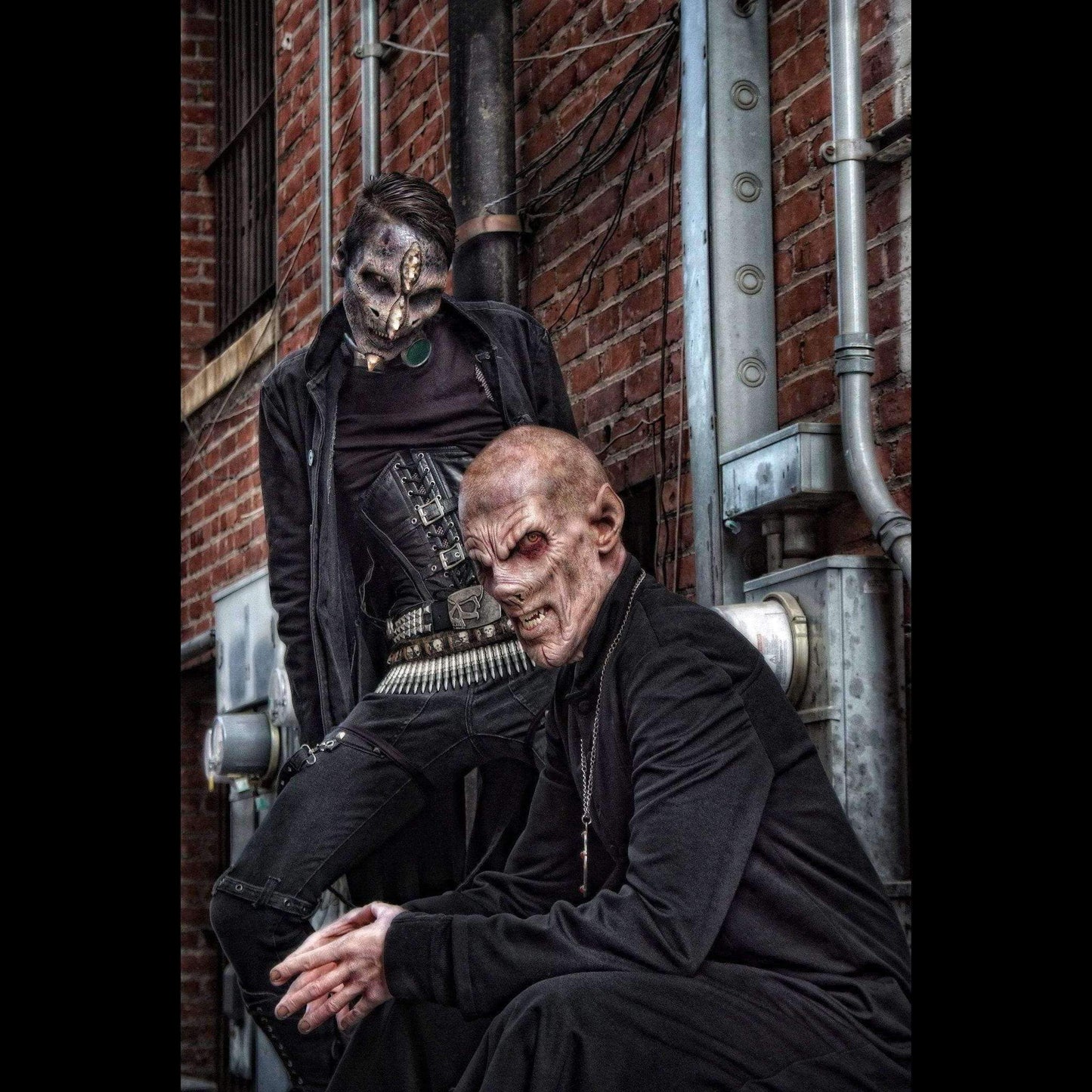
That is where complete character thinking comes in. A prosthetic alone creates shape. The full illusion comes from how that shape works with paint, hair, teeth, contact choices if appropriate, wardrobe, and body language. The strongest transformations are built, not just worn.
Fit, movement, and why comfort is part of the effect
A great appliance should not just look aggressive, eerie, undead, or inhuman. It should let you perform that way. Foam latex tends to feel lighter than many first-time users expect, and that changes the experience over a long wear.
Comfort is not a minor bonus. It affects the final look. If a piece pinches, lifts, or restricts too much motion, you will compensate without noticing. Your face moves differently. Your posture changes. You become careful instead of committed. The audience can read that hesitation, even if they do not know why.
When a prosthetic fits well and moves naturally, you stop protecting it and start inhabiting the role. That is when the transformation clicks. The look stops being makeup and starts becoming behavior.
This is one reason reusable, film-quality pieces matter. Better construction tends to create a more reliable experience, especially when you are not interested in one-night novelty. If you perform seasonally, shoot content regularly, or build characters for multiple events, quality pays you back in realism and wearability.
Application matters more than most people think
Even the strongest sculpt can fall flat if the application is sloppy. Foam latex works best when you treat the process like part of the art, not a hurdle before the fun starts.
Start by planning the whole look before adhesive ever touches skin. Know where your paint transitions will go. Know whether you are adding teeth, a wig, horns, ears, or a full creature brow. Know how your character reads from ten feet away and in close-up. This saves you from chasing the design after the prosthetic is already on.
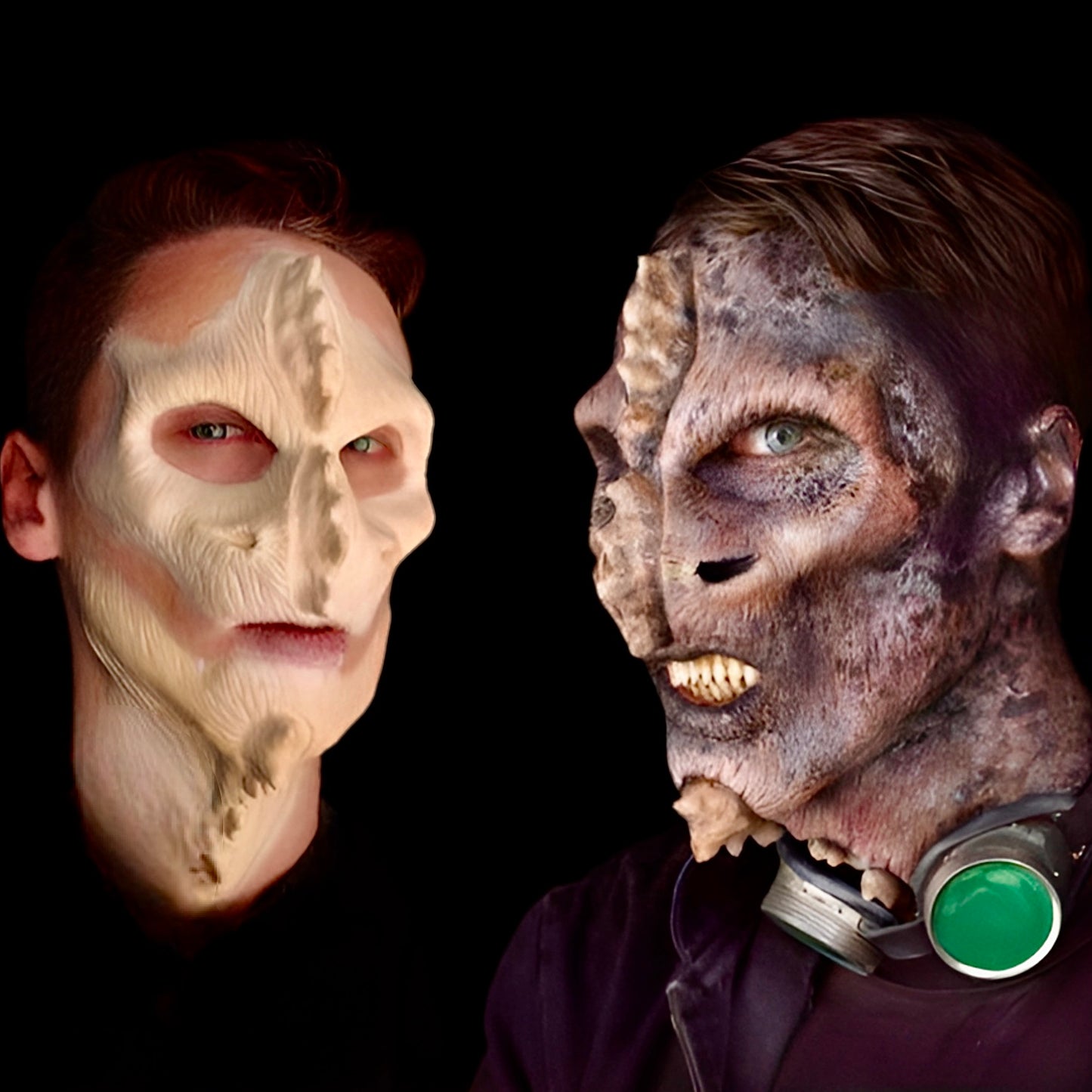
Edge blending is where a lot of amateur-looking work reveals itself. You want the appliance to become part of the face, not sit on top of it as a visible patch. Good adhesive choice, patient placement, and clean makeup work around the seams make a dramatic difference. Paint then finishes the illusion by tying your skin tone, shadows, veins, bruising, rot, clown color, creature texture, or demonic highlights into one cohesive surface.
It also helps to respect the event. A cinematic zombie for a short film may need subtler coloration than a high-contrast haunt character under colored lights. A convention look might benefit from bolder definition that reads well in crowds and photos. The same prosthetic can play very differently depending on how you paint and style it.
Building a full transformation around the appliance
This is where the fun really starts. Foam latex prosthetic appliances are often the hero piece, but they are rarely the whole show. Teeth sharpen a snarl. Wigs change silhouette. Paint brings out every ridge, wound, contour, and shadow. The right supporting details can push a good application into a character people remember.
A beast build might start with a brow or muzzle, then gain menace from fangs, textured paint, and wild hair. A clown design can move from playful to nightmare fuel with the right nose or cheek prosthetic, cracked paint treatment, and expression-enhancing shadows. A zombie can become fresh, decayed, or full apocalypse depending on color palette, blood work, and skin detailing.
This product-led approach is what separates costume shopping from character creation. You are not just choosing an item. You are choosing how far you want to go.
For that reason, serious enthusiasts and pros tend to shop with the whole face in mind. The Scream Team lives in that space between off-the-shelf convenience and screen-ready transformation, which is exactly where many horror fans, performers, and creators want to be.
Are foam latex prosthetic appliances right for everyone?
Usually, yes - but the best answer depends on your expectations. If you want the fastest possible costume upgrade with almost no prep, a simple accessory may suit you better. If you want expressive, believable transformation and are willing to put care into application, foam latex is hard to beat.
Beginners can absolutely use it, especially with smaller or more straightforward pieces. More advanced users will get even more out of it because they understand blending, painting, and full-look design. That is the real trade-off. The material gives you more realism, but it also asks for more intention.
And honestly, that is part of the appeal. Horror, fantasy, and creature work should feel like creation, not just consumption. There is something electric about watching your own face disappear under a design that still moves, snarls, laughs, and lives.
If you are chasing a transformation that feels cinematic instead of disposable, foam latex is where the mask comes off and the character steps in.