9 Halloween Costume Transformation Ideas
Share
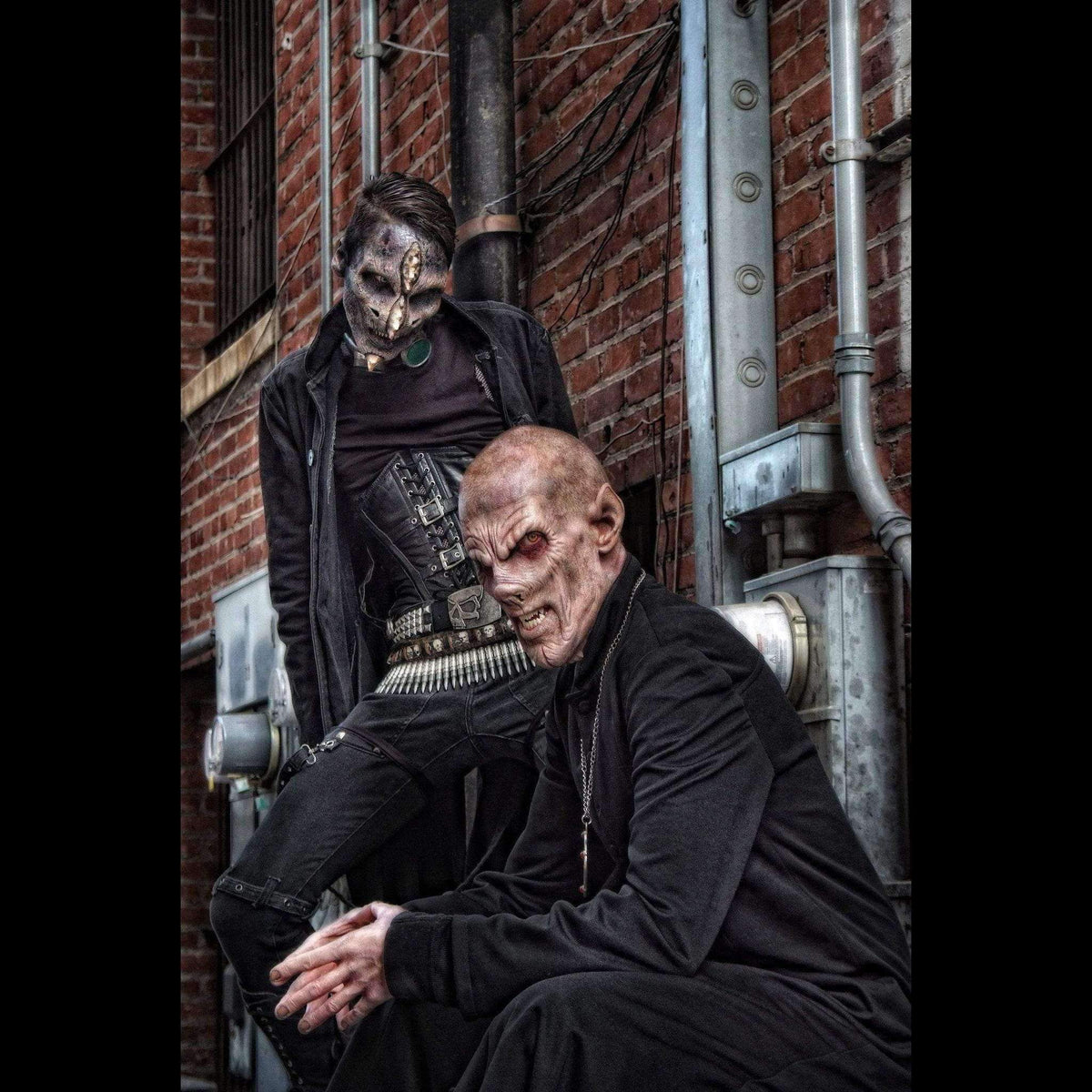
The difference between a costume and a transformation usually shows up the second you walk into the room. A printed jumpsuit says you dressed up. A layered character build says you became something else entirely. That is why the best halloween costume transformation ideas start with the face, the silhouette, and the details that make people do a double take.
If you want a look that feels cinematic instead of off-the-rack, think in terms of character construction. Prosthetics change your bone structure. FX teeth alter your expression. A wig shifts your outline before you even speak. Paint and makeup tie every piece together so the final result looks like one creature, not a pile of accessories. That approach works whether you are headed to a Halloween party, a haunt, a convention, or a camera test.
What makes halloween costume transformation ideas actually work
A strong transformation has three layers. First, there is the focal effect - maybe horns, a torn zombie mouth, pointed ears, or a full creature brow. Second, there is support - hair, skin color, teeth, contact lenses if you wear them, wardrobe, and hand details. Third, there is performance. The best character designs still look convincing when you smile, snarl, talk, and move under real event conditions.
That last part matters more than most people expect. A costume can look great in a product photo and still fall apart after an hour if it is stiff, poorly fitted, or unfinished around the edges. The smarter move is to build around pieces designed to move naturally with the face and stay comfortable long enough for a full night of wear. High impact is great. High impact that still lets you act like the character is better.
1. The modern zombie with fresh damage
The zombie look only gets generic when people stop at gray makeup and fake blood. A stronger version uses sculpted wounds, sunken facial structure, and skin tone variation to create actual decay. Think ripped cheek detail, exposed texture around the mouth, or a collapsing brow that makes your whole expression look less human.
The trade-off with zombies is control. Go too subtle and it reads as face paint. Go too extreme without blending the edges and it can look costume-shop flat. The sweet spot is one hero appliance supported by painted bruising, mottled skin, and deadened lips. Add broken or rotten-looking teeth and the whole face comes alive in a very unhealthy way.
Clothing should feel lived-in, not randomly shredded. A nurse, prom queen, mechanic, or office worker base gives the character a story. The transformation lands harder when people can tell what happened to you.
2. Demon royalty instead of basic devil horns
A red cape and plastic horns can work for five minutes. A demon build with dimension can own the room all night. Start with horns or a forehead appliance that changes the shape of the upper face, then build downward with contouring, skin texture, and a color story that fits the type of demon you want to play.
This is where restraint pays off. Not every demon needs full red skin. Blackened eyes, cracked temples, sharpened cheek structure, and realistic teeth often create a more expensive look than covering yourself in one flat color. If you want a more infernal style, blend heat into the skin with reds, burgundy, charcoal, and ember tones rather than one-note paint.
Wardrobe can push this in different directions. Formalwear makes a demon feel aristocratic and dangerous. Armor makes it feel mythic. Tattered robes make it feel ancient. Same horns, completely different character.
3. Creature clown with a sinister edge
Clown costumes are everywhere, which is exactly why transformation matters here. Instead of relying on greasepaint alone, build a clown face that has structure - exaggerated mouth shape, stretched smile, twisted nose, or raised brow detail that changes your expression before the makeup even begins.
A creature clown works because it sits between familiar and wrong. People recognize the clown language, but the face pushes too far into something predatory. That tension makes it memorable. Pair prosthetic features with a wig that changes your silhouette and teeth that look just a little too sharp. The result feels less like party makeup and more like a villain with a backstory.
Color choices matter. Bright carnival colors read chaotic. Black-and-white with blood accents reads colder and more theatrical. Neither is better. It depends on whether you want manic energy or controlled menace.
4. The werewolf that still reads human
Full mascot wolf suits have their place, but a face-forward werewolf transformation often gets a stronger reaction because people can still see traces of the person underneath. Build around a brow, nose, or muzzle appliance, then use hair placement, shadow, and skin texture to bridge human and beast.
This character depends on balance. Too little structure and you look like you forgot the transformation halfway through. Too much fur and you lose expression. The most convincing werewolves keep the eyes visible, enhance the cheekbones, and let the mouth do the acting. Add fangs and a distressed wardrobe, and the whole thing starts to feel cinematic.
This is also one of the best options for performers in haunted attractions or interactive settings because the face can stay expressive. Snarling, speaking, and reacting are part of the show.
5. Alien intelligence with zero silver jumpsuits
Alien looks often go wrong when they lean on old shortcuts - metallic fabric, oversized glasses, and random face paint. If you want something more believable, focus on anatomy. A changed forehead, temples, cheek structure, or ears can make an alien feel biologically different before you add a single costume piece.
The most effective alien transformations pick one logic and stick to it. Maybe your species is sleek and elegant with elongated features and pale skin. Maybe it is hostile, ridged, and predatory. Maybe it is insectoid and unsettling. Once you choose the lane, every detail should support it, from skin finish to hairline to wardrobe texture.
Minimalism can work especially well here. A clean black outfit and a fully realized alien face often look more convincing than a busy outfit fighting for attention. Let the transformation do the heavy lifting.
6. Fantasy elf turned dark fae
If you want a look that plays beyond Halloween, dark fae builds are one of the most flexible halloween costume transformation ideas. Start with ears, then elevate the concept with sharpened features, unusual skin tones, and a moodier fantasy palette. You can go regal, feral, cursed, or ethereal depending on how hard you push the styling.
The reason this works is range. It is easier to wear than a full monster build, but it still delivers clear transformation when the face is handled well. A wig can dramatically reshape the character, especially if the color and style feel otherworldly rather than pretty-for-pretty's-sake.
This is a good example of how accessories can either finish the illusion or cheapen it. Thoughtful jewelry, nails, and costume textures help. Random novelty pieces usually do not.
7. Skull-faced revenant with depth
A skull look sounds simple until you compare painted skull makeup to a face that actually has altered dimension. Hollowed eyes, raised bone structure, torn flesh accents, or exposed jaw detail create depth that flat paint alone usually cannot. That is the difference between festive and formidable.
This build benefits from contrast. Bone tones should not be one flat white. Add grime, cracking, old blood, and subtle discoloration so the skull feels aged and real. If you want the character to feel less undead and more supernatural, push the shadows cooler. If you want fresh horror, bring in warmer reds and tissue detail.
Keep the costume side disciplined. A simple coat, veil, suit, or ceremonial robe lets the face dominate.
8. Mutant punk with asymmetry
Not every transformation needs to be polished. A mutant character can look incredible when it feels unstable and improvised. One side of the face can be warped, infected, scarred, or overgrown while the rest of the styling stays aggressively human. That asymmetry gives you a lot of visual drama without requiring a full-face build.
This concept is especially useful if you want impact with a little less application time. One major appliance, blended well, can carry the whole look. Add a strong haircut or wig, industrial wardrobe pieces, and targeted paint work on the neck or hands, and suddenly you have a complete character with stage presence.
There is a sweet spot here too. Too many random effects can make the design feel unfocused. One mutation theme is usually stronger than five.
9. The full character stack
The biggest mistake people make is stopping after the prosthetic goes on. Real transformation happens when every element agrees with the story your face is telling. That means checking scale, color, and texture all the way through the build. If the face says ancient demon and the costume says party aisle, the illusion breaks fast.
Think about your character in layers. Start with the appliance. Add adhesive, blending, and paint so it disappears into the skin. Then bring in teeth, hair, wardrobe, and body detail. Even small touches matter - dirty fingernails, shaded collarbones, pointed brows, or a matching ear shape can push a look from good to complete. That is where brands like The Scream Team sit in the sweet spot, giving serious fans and performers the pieces to build a full transformation rather than settle for a mask and hope.
The best part is that great character work scales. You do not need a feature-film budget to create a look with presence. You need one strong concept, pieces that perform under real wear, and the discipline to finish the details. Pick the character that makes you want to stay in costume longer than planned. That is usually the one worth becoming.