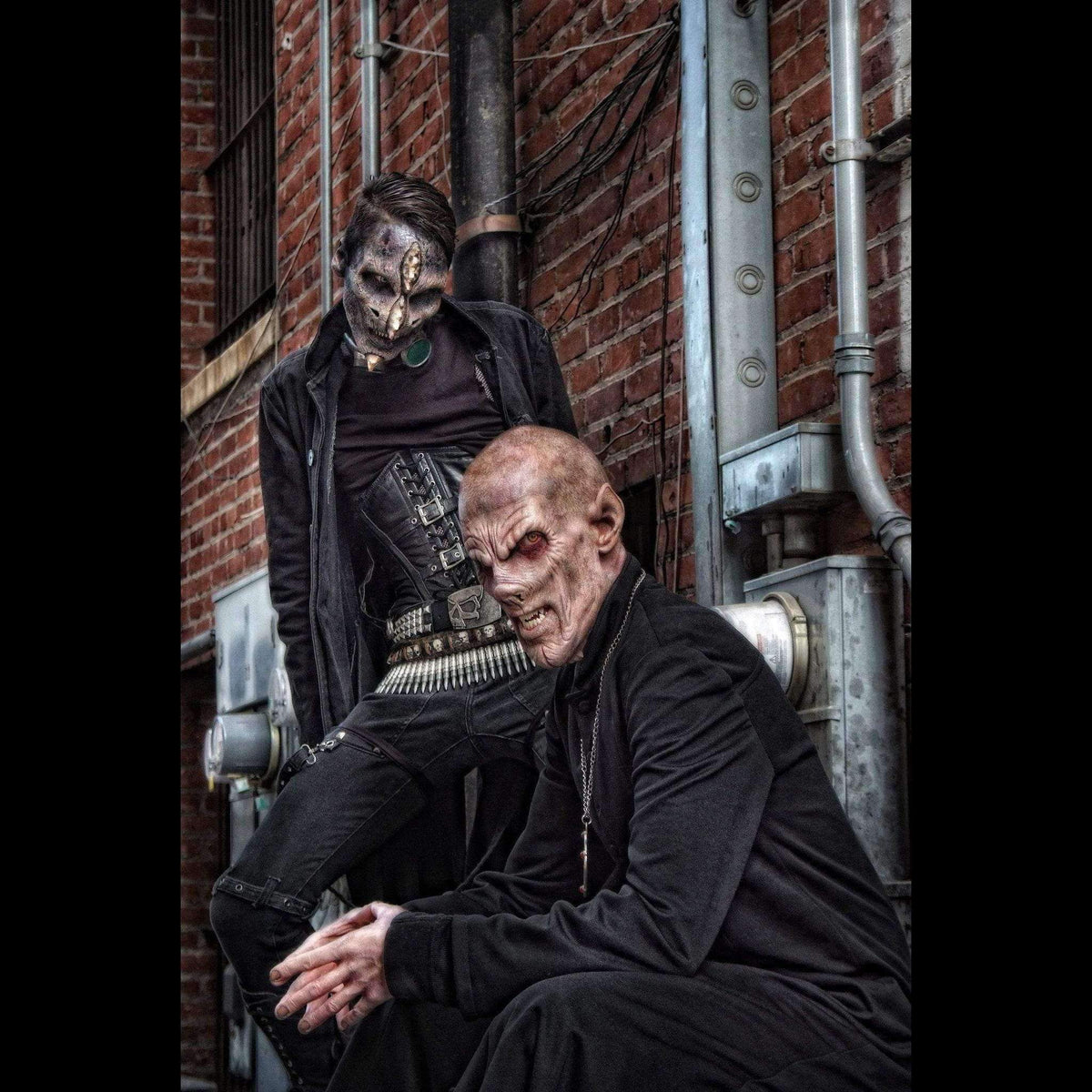
How to Choose a Prosthetic Zombie Makeup Kit
Share
A zombie look lives or dies on the face. You can have the torn clothes, the perfect limp, and a killer backstory, but if the makeup reads flat or the prosthetics fight your expressions, the illusion breaks fast. The right prosthetic zombie makeup kit changes that. It gives you dimension, movement, skin texture, and the kind of decay that feels cinematic instead of costume aisle.
That matters whether you're stalking through a haunted house, shooting an indie horror short, building a convention-ready character, or making Halloween count this year. Not every kit is built for the same kind of performance, and the best choice depends on how long you need to wear it, how close people will get, and how far you want to push the transformation.
What makes a prosthetic zombie makeup kit worth buying
A solid kit does more than include a few random pieces and a splash of fake blood. It should help you build a believable undead character from structure to finish. That usually means prosthetic appliances that create raised wounds, torn flesh, exposed bone effects, or sunken facial details, along with the materials needed to blend and paint them convincingly.
The biggest difference is realism. Flat cream makeup can suggest sickness or grime, but prosthetics create contour that catches light like damaged skin actually would. That is why foam latex and other performance-focused materials matter so much. They move better with your face, feel more natural in wear, and photograph far more convincingly than stiff novelty pieces.
A good kit also respects comfort. If the appliance pinches, lifts too easily, or turns your face into a frozen mask, it may look decent in one photo and fail everywhere else. Haunted attraction actors, cosplayers, and filmmakers all need something slightly different, but nobody wants a prosthetic that quits before the night does.
Choosing a prosthetic zombie makeup kit for your kind of event
This is where buyers often get tripped up. The best prosthetic zombie makeup kit for a one-night Halloween party is not always the best choice for a weekend convention, a haunted attraction run, or a close-up film shoot.
For Halloween parties and general costume use, ease matters. You want an application process that feels manageable, a look that reads clearly in lower light, and enough impact to carry the whole costume. A kit with one or two strong facial appliances, coordinated paints, and blood effects is often the sweet spot. Too many pieces can turn a fun build into a stressful rush job.
For cosplay and conventions, wearability becomes a bigger factor. You may be in the character for hours, talking, posing, eating carefully, and moving through crowded spaces. In that setting, lightweight prosthetics with flexible edges usually beat bulkier pieces. The look still needs punch, but comfort earns its keep.
For haunted houses and live scare work, durability matters just as much as realism. You need something that can survive sweat, repeated movement, and long hours under heat. Fast touch-ups help too. A beautifully painted wound is less useful if the edges start peeling halfway through your first queue.
For film and photography, detail takes center stage. Camera distance exposes shortcuts. This is where skin texture, edge quality, and paint layering really matter. A higher-end prosthetic setup gives you more control and a more believable final read on screen.
The parts of a better zombie kit
If you are comparing options, look at what the kit actually allows you to create, not just how many items are in the box. Quantity can be misleading.
The prosthetic itself should be the hero. Cheek wounds, forehead gashes, bitten flesh, rotting jawlines, and exposed tissue effects all shape the character. A zombie is rarely interesting because it is generic. The best looks suggest a cause of death, a stage of decay, or a very specific flavor of horror.
Adhesive and blending materials are just as important. Even a great appliance can look fake if the edges sit on top of the skin instead of disappearing into it. A kit that supports a cleaner blend will always outperform one that relies on the prosthetic alone.
Paint matters more than many first-time buyers expect. Zombies are not just green faces with blood on them. Realistic undead color usually comes from layering bruised purples, dirty browns, ashy grays, sickly yellows, and targeted reds. The best kits make room for variation, because no convincing corpse is one color.
Then there are the finish details. Blood, grime, stipple, cracked skin effects, darkened teeth, wigs, and contact pieces can push the look from decent to unforgettable. This is where the transformation really clicks. A zombie should feel like a full character, not a single appliance floating on clean skin.
Fit, movement, and why material changes everything
This is the part serious horror fans and performers learn quickly - material quality shows. Cheap prosthetics often look fine in package photos, then feel thick, shiny, or rigid once applied. They can wrinkle in the wrong places, resist natural expression, or create harsh borders that are difficult to hide.
Foam latex appliances are popular for a reason. They are lightweight, flexible, and made to move with the face. That means your sneer, scream, or dead-eyed stare still reads as human underneath the monster, which is exactly what makes a zombie disturbing. When the appliance moves with you instead of against you, the character feels alive in all the wrong ways.
Fit also affects confidence. If you are worrying about lifting corners all night, you are not performing. A better-fitting prosthetic lets you stay in character, whether that means posing for photos, working a scare zone, or landing a close-up on camera.
Building the full look instead of stopping at the wound
A prosthetic is the centerpiece, not the entire show. The strongest zombie designs think from head to chest, not just forehead to chin.
Start with the story. Is your zombie fresh from the bite, dried out and decades dead, swamp-soaked, plague-ridden, or brutally torn apart? Once you know that, your color palette, blood level, hair styling, and wardrobe distressing all get easier. A fresh attack calls for wetter blood and more inflamed skin. An old corpse needs more desaturation, hollows, and cracked texture.
Hair can make or break the illusion. Clean, styled hair next to a rotting face creates mixed signals unless that contrast is deliberate. Wigs, teased hair, gray-out effects, or greasy texture can tie the whole character together fast.
Teeth are another detail that changes the read immediately. Rot, stains, and uneven coloration push the realism further than many people expect. The same goes for the neck, ears, and hands. If your face looks ravaged but everything around it looks healthy, the illusion stops at the jawline.
This is where a transformation-focused brand mindset matters. The best results come from thinking in layers and companion pieces, not one-off products. Complete the transformation, and the audience stops seeing makeup. They see a creature.
Common mistakes when buying a prosthetic zombie makeup kit
The first mistake is buying for the photo on the package instead of the real use case. A dramatic piece may look amazing online, but if you need all-day comfort or quick application, a slightly simpler design might serve you better.
The second is underestimating application time. Prosthetics, paint, and finishing details take longer than people think, especially the first time. If your event starts at seven, do not start experimenting at six.
The third is ignoring skin prep and removal. Wearability is not just about how the makeup goes on. It is also about how your skin feels hours later and how cleanly the look comes off. Better materials and proper process usually mean a better night from start to finish.
Finally, many buyers stop too early. They get the prosthetic, add one color, splash on blood, and call it done. Sometimes that works in very dark settings, but most of the time the best zombie looks come from depth, layering, and restraint. Not every wound needs to gush. Not every inch of skin needs color. Realism often comes from selective detail.
Who should invest in a higher-quality kit
If you only need a quick undead face for one casual party, almost any entry-level option can get you through the night. But if you care about realism, repeat wear, comfort, or performance, a better kit is worth it.
Cosplayers benefit because the look holds up under close scrutiny. Haunted attraction performers benefit because flexibility and comfort matter over long runs. Filmmakers and content creators benefit because cameras are unforgiving. Serious Halloween fans benefit because there is a huge difference between looking dressed up and looking transformed.
That is the space where specialty FX brands like The Scream Team stand out. The goal is not just to sell a scary face. It is to help you own the character, hold the illusion, and make the whole build feel screen-ready.
The best prosthetic zombie makeup kit is the one that matches your event, your skill level, and the kind of nightmare you want to bring to life. Choose for realism, movement, and the full character, and your zombie will not just look undead. It will feel like it clawed its way in from a much darker place.